
Diagnosis & Testing
Your doctor can diagnose diabetes, prediabetes, and gestational diabetes using blood tests. The blood tests show if your blood glucose level, also called blood sugar, is higher than the range that is healthy for you. Blood tests can also help identify the type of diabetes you have.
Receiving a diabetes diagnosis can feel overwhelming, but it is the most important step toward taking control of your health. At Dr. Falke’s Hope Diabetes Care, we believe that testing shouldn’t be scary. We use advanced screening methods to ensure every diagnosis is precise, quick, and comfortable.
Understanding your specific condition—whether it is Pre-diabetes, Type 1, or Type 2—allows us to create a treatment plan that fits your life. Remember, a diagnosis is not the end of your active life; it is simply the roadmap we use to guide you back to wellness.
Why is early testing so critical? Because accuracy saves lives.
Eliminate the Guesswork: A confirmed diagnosis helps us stop the disease in its tracks before it causes damage to your heart or kidneys.
Catch it Early: Routine screening can often identify risks before they turn into a permanent diagnosis, giving you a chance to reverse the condition entirely.
Peace of Mind: Knowing the truth is better than worrying in silence. Once we have a clear diagnosis, Dr. Falke can work with you to build a simple, effective daily routine.
Fasting Blood Sugar Test
Fasting blood sugar is a simple, common, safe blood test that can diagnose prediabetes, diabetes and gestational diabetes.
Oral Glucose Tolerance Test During Pregnancy
A glucose tolerance test is a screening for gestational diabetes during pregnancy. It’s typically given in the second trimester of pregnancy.
Blood Glucose (Sugar) Test
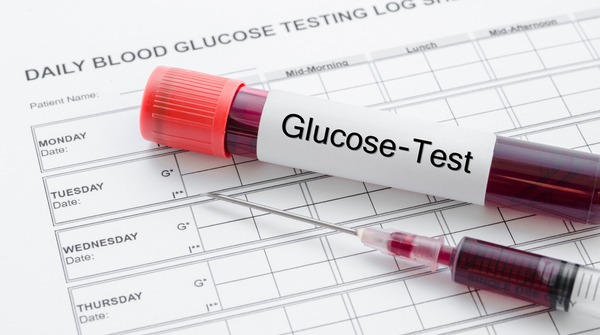
A blood glucose test is a test that mainly screens for diabetes by measuring the level of glucose (sugar) in your blood. It can be a finger prick or a blood draw.
A1C
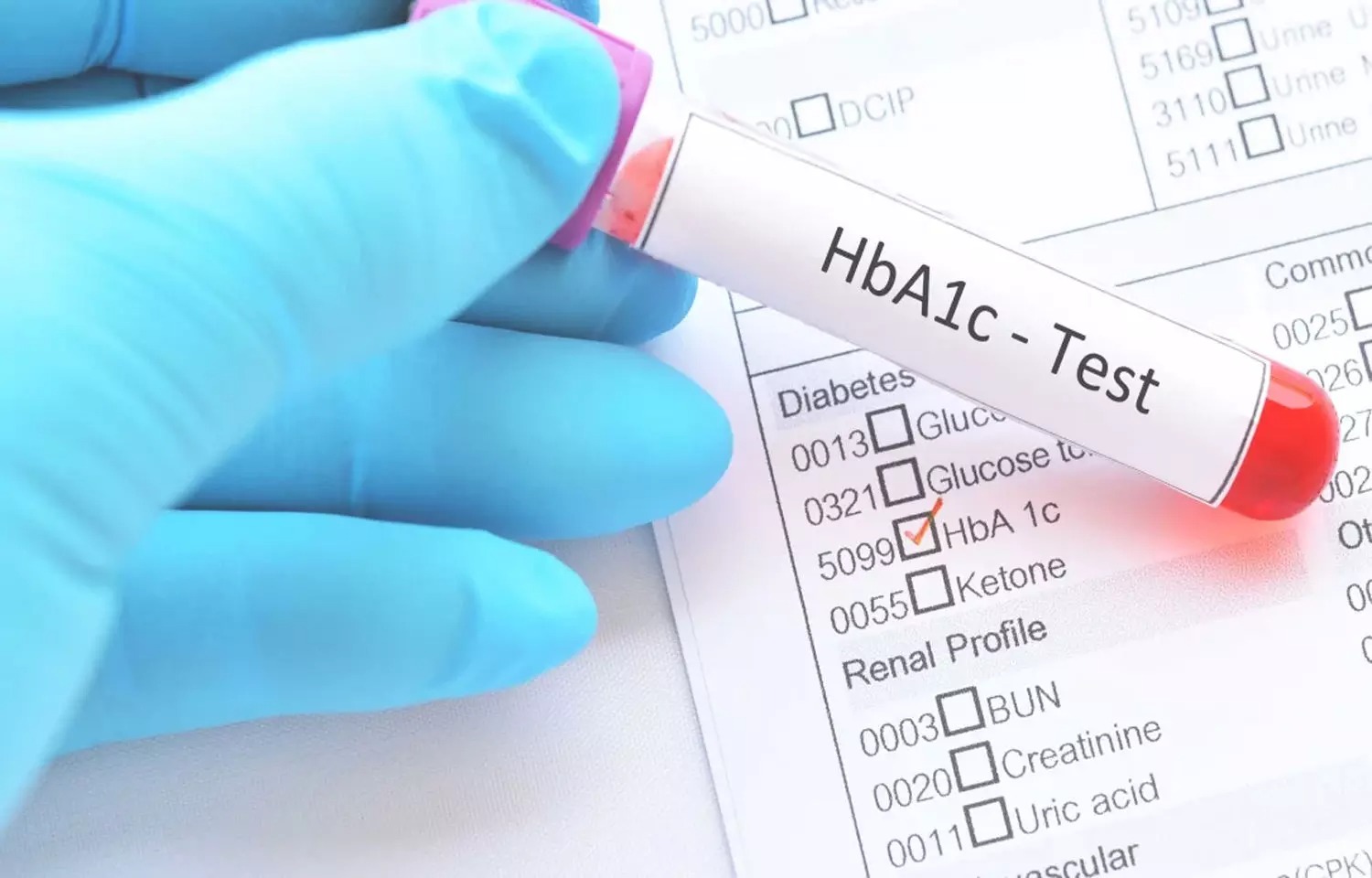
An A1C test measures the average amount of sugar in your blood over the past three months. Providers use it to diagnose diabetes and monitor diabetes management.
C-Peptide Test
A C-peptide test measures the amount of C-peptide in the blood or urine. The pancreas releases C-peptide when it makes insulin.
Urinalysis
A urinalysis is a test that examines the visual, chemical and microscopic aspects of your urine. It includes a variety of tests using one sample of urine.
Comprehensive Metabolic Panel (CMP)
A comprehensive metabolic panel (CMP) is a test that measures 14 different substances in your blood. Providers use it to broadly assess your physical health.
Basic Metabolic Panel (BMP)
A basic metabolic panel (BMP) is a test that measures eight different substances in your blood. Healthcare providers use it to broadly assess your physical health.
Kidney Function Tests
Kidney function tests measure how well your kidneys are working. Kidney tests usually involve a blood test, 24-hour urine test or both.
Blood Tests to Determine Risk of Coronary Artery Disease
Blood tests allow healthcare providers to look at different elements of the blood, like cholesterol or hemoglobin A1c, to detect your heart disease risk.
Cardiac Blood Tests
Your provider can use blood tests for heart function, along with your personal and family history, to help assess your risk of cardiovascular disease.